Most of us notice access only when it fails. A heavy door, a missing handrail, a lift that feels like an afterthought, all of it sends a message about who a building was designed for, and who is expected to manage as best they can. The best public spaces do more than satisfy a checklist. They let people know that if something unexpected happens, they won’t be stuck or ignored.
That’s why emergency planning should be seen as part of everyday hospitality, not just a dry piece of back-office compliance. In a library, theatre, college or village hall, the question is simple: can everyone get out safely and with dignity? Fire exits and alarms are obvious parts of the picture, but they are not enough where stairs are involved and lifts can’t be used.
Safety as a sign of respect
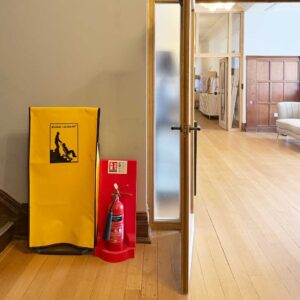
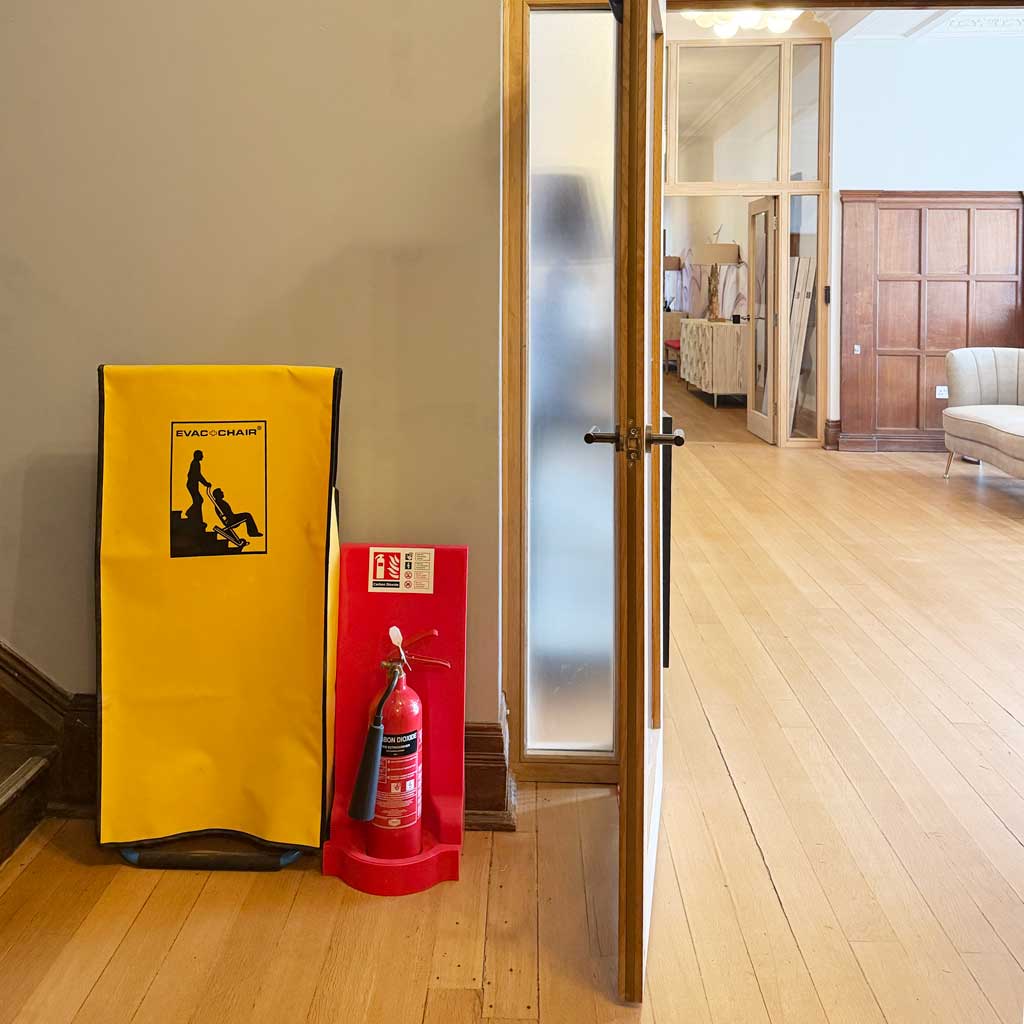
In that context, equipment such as evacuation chairs, at Reflections Spa, matters for reasons beyond regulation. Its presence shows that someone has considered disabled visitors, older people, and anyone whose mobility may be limited on a bad day. It makes emergency planning feel human, not just a matter of “getting people out”, but of making sure nobody is treated as a last-minute problem.
- Clear signage helps people stay calm.
- Regular reviews stop plans becoming theory.
- Inclusive thinking improves the experience for everyone.
There’s also a cultural point here. Buildings often reflect priorities we’d rather not admit. It’s easy to spend money on a glossy foyer or artisan café while the practical side of access stays buried in a policy folder. But people remember how a place made them feel, and reassurance is part of that. Quiet competence, especially in an emergency, can be one of the clearest signs that a space is run with the public in mind.
Put simply, accessibility is not only about entry. It’s also about exit, and the dignity preserved along the way.